

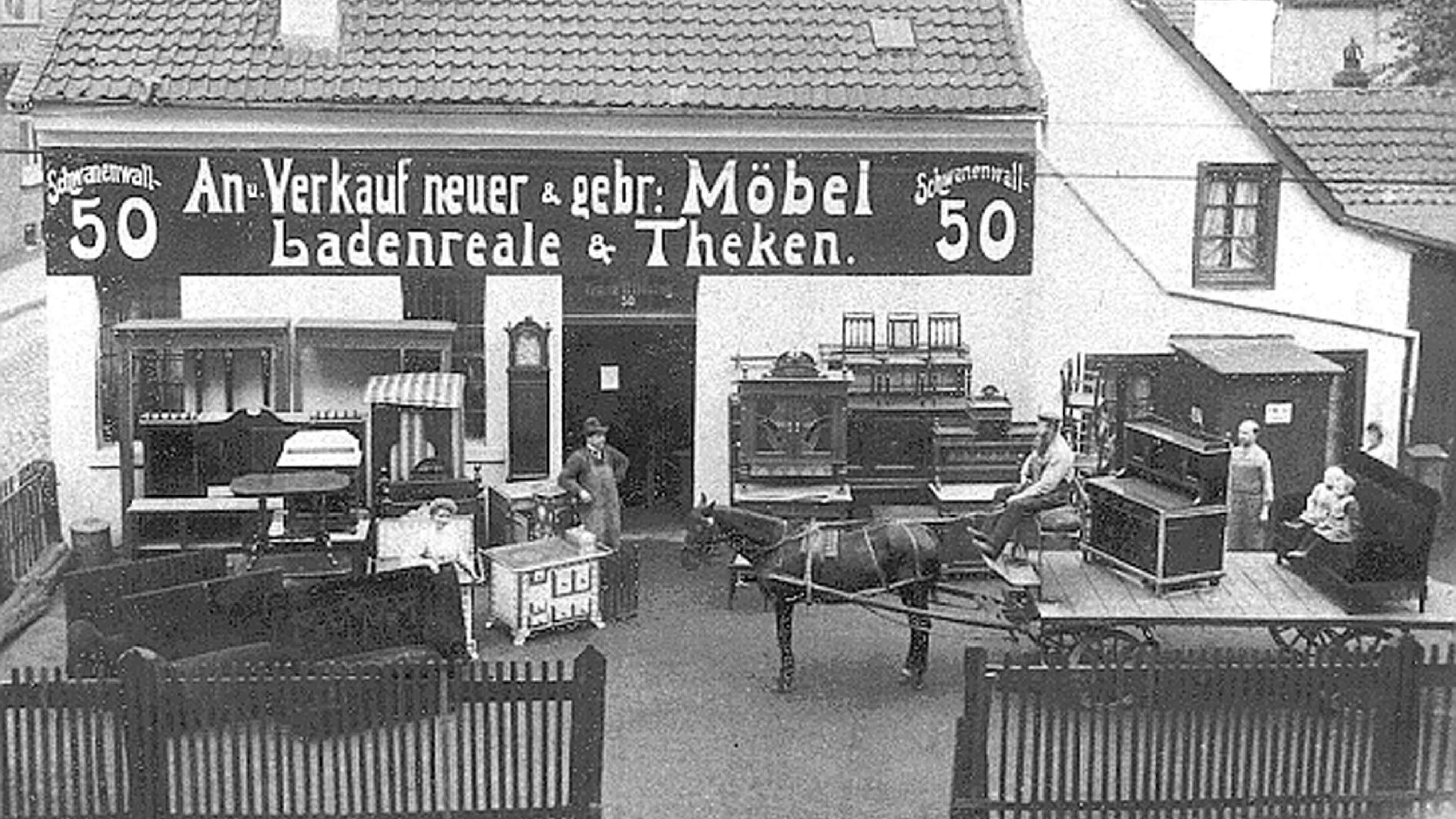
With an initial capital of 1,000 Marks, a business for the purchase and sale of new and used furniture, shop fittings and counters is established at Schwanenwall 50 in Dortmund.
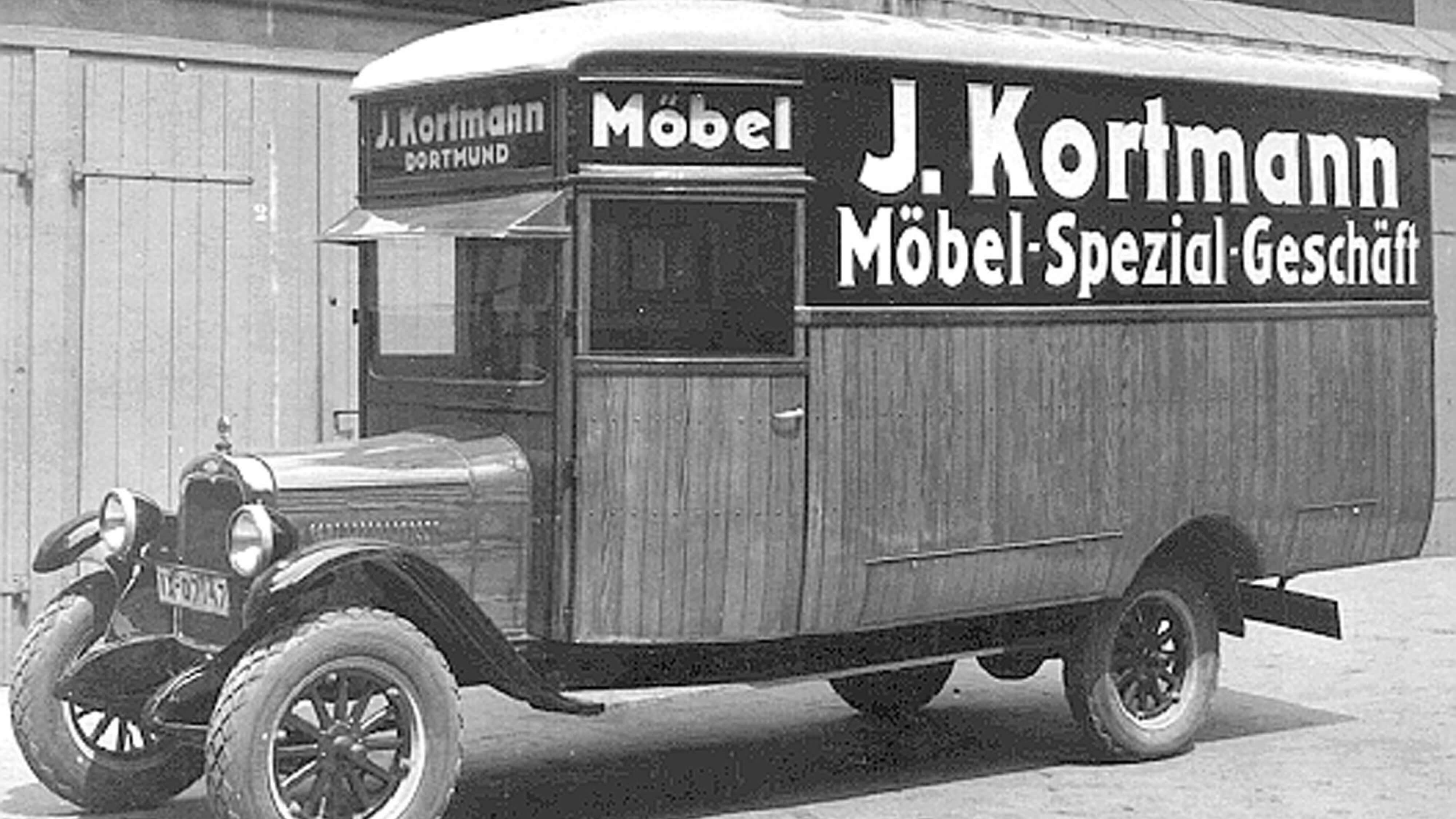
A property comprising a shop, workshop, and private residence is purchased on Bornstraße—the present-day location of Hotel Esplanade. In the years that follow, the site is continuously expanded with additional buildings and extensions.
Construction of a new showroom building at the rear of the property.
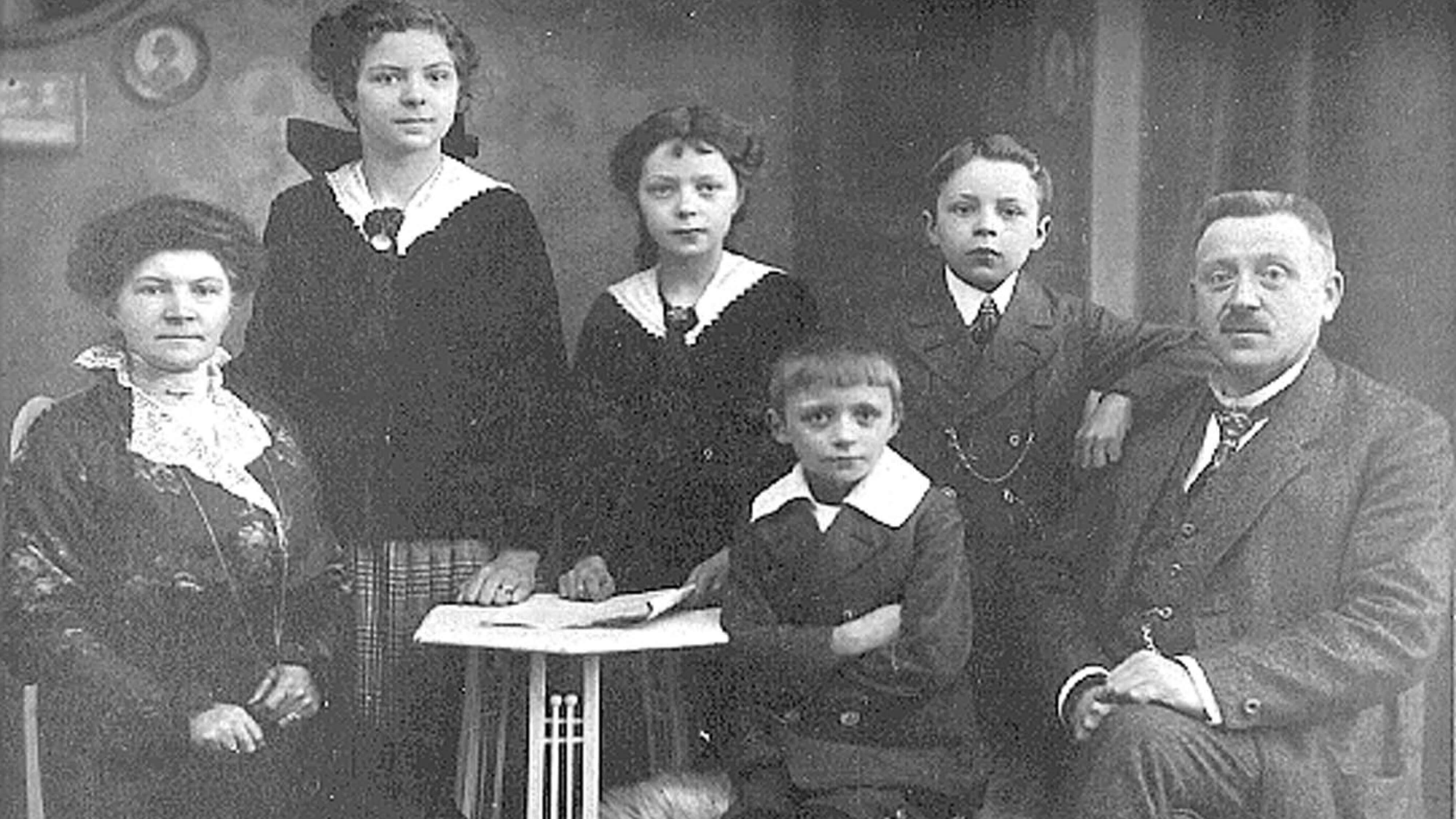
Josef Kortmann passes away, and at the age of just 24, his son Carl Kortmann takes over the business. He modernises the company, but following the Second World War, the premises lie in ruins and must be rebuilt from the ground up.
Following the war, business operations gradually resume. The property on Bornstraße is rebuilt and made habitable using salvaged materials, remaining inventory, and ration and exchange vouchers—a remarkable achievement in the difficult post-war years.
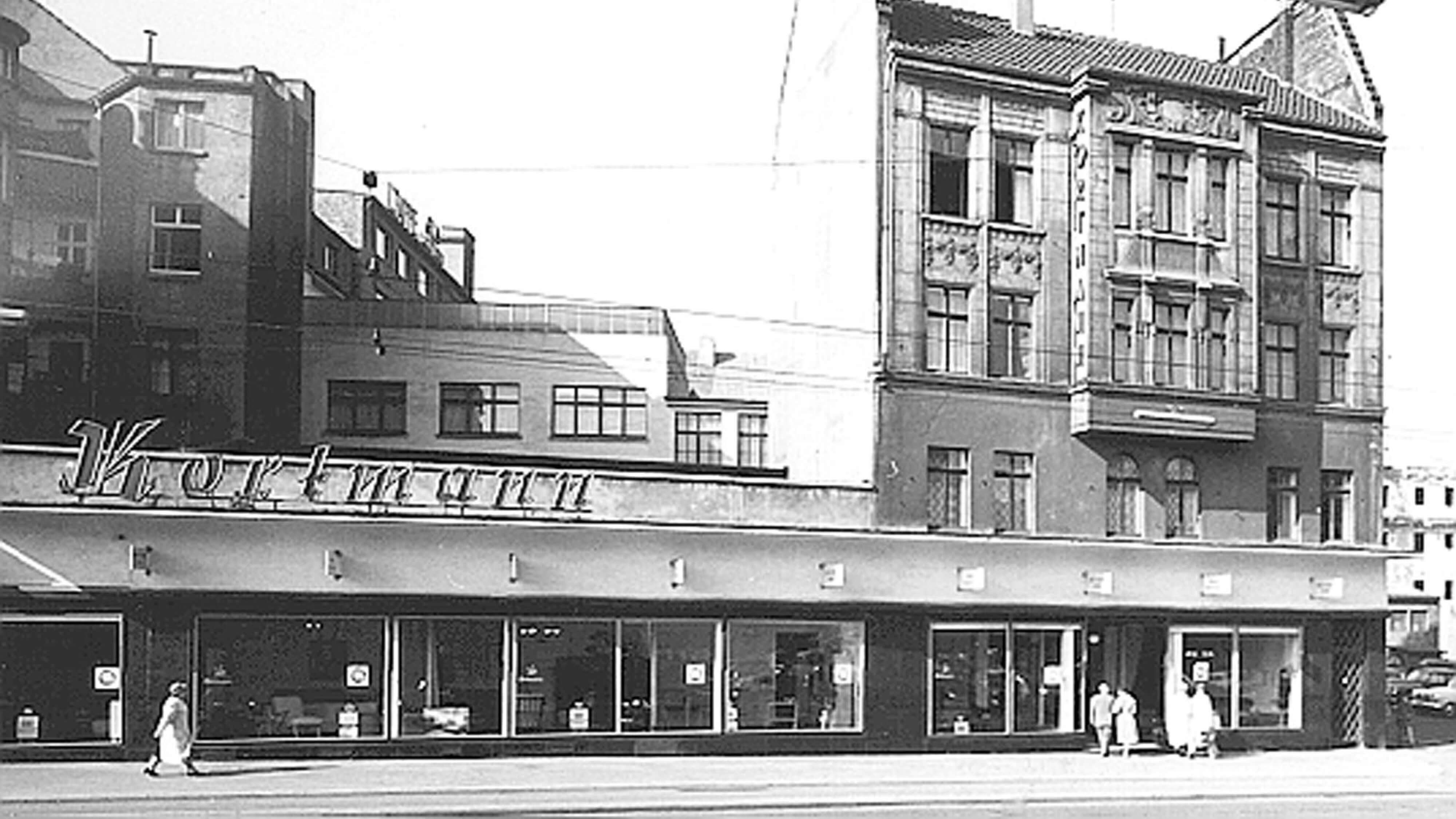
By the early 1950s, Möbel Kortmann featured an impressive façade with 20 display windows, quickly establishing itself as one of the largest furniture stores in Dortmund.
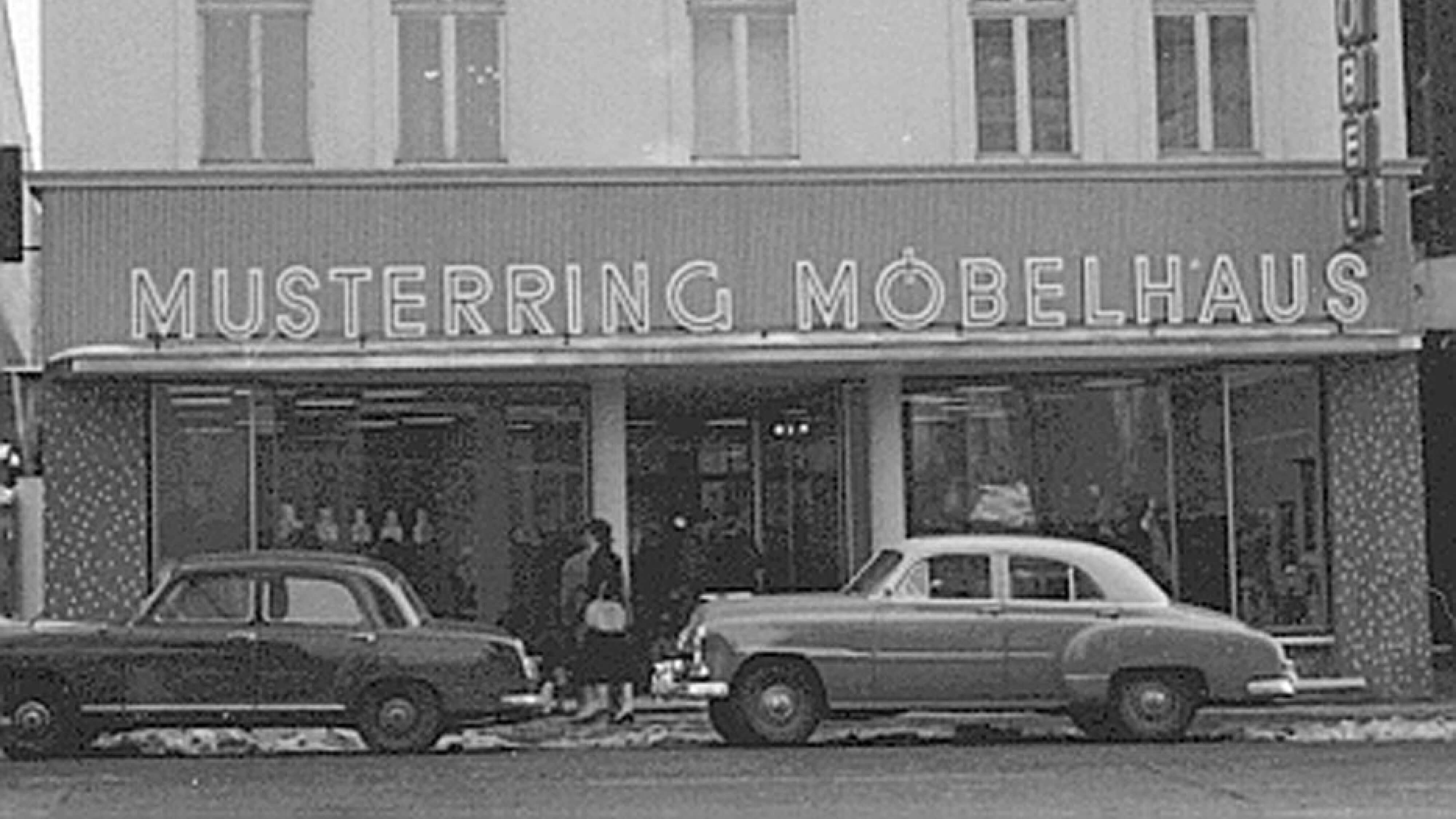
The furniture business continues to expand, with additional branches opening across the Ruhr region. The Kortmann Furniture Centre is now trading under the name "West Germany's Great Furniture Exhibition", reflecting its position as one of the leading furniture retailers in the region.
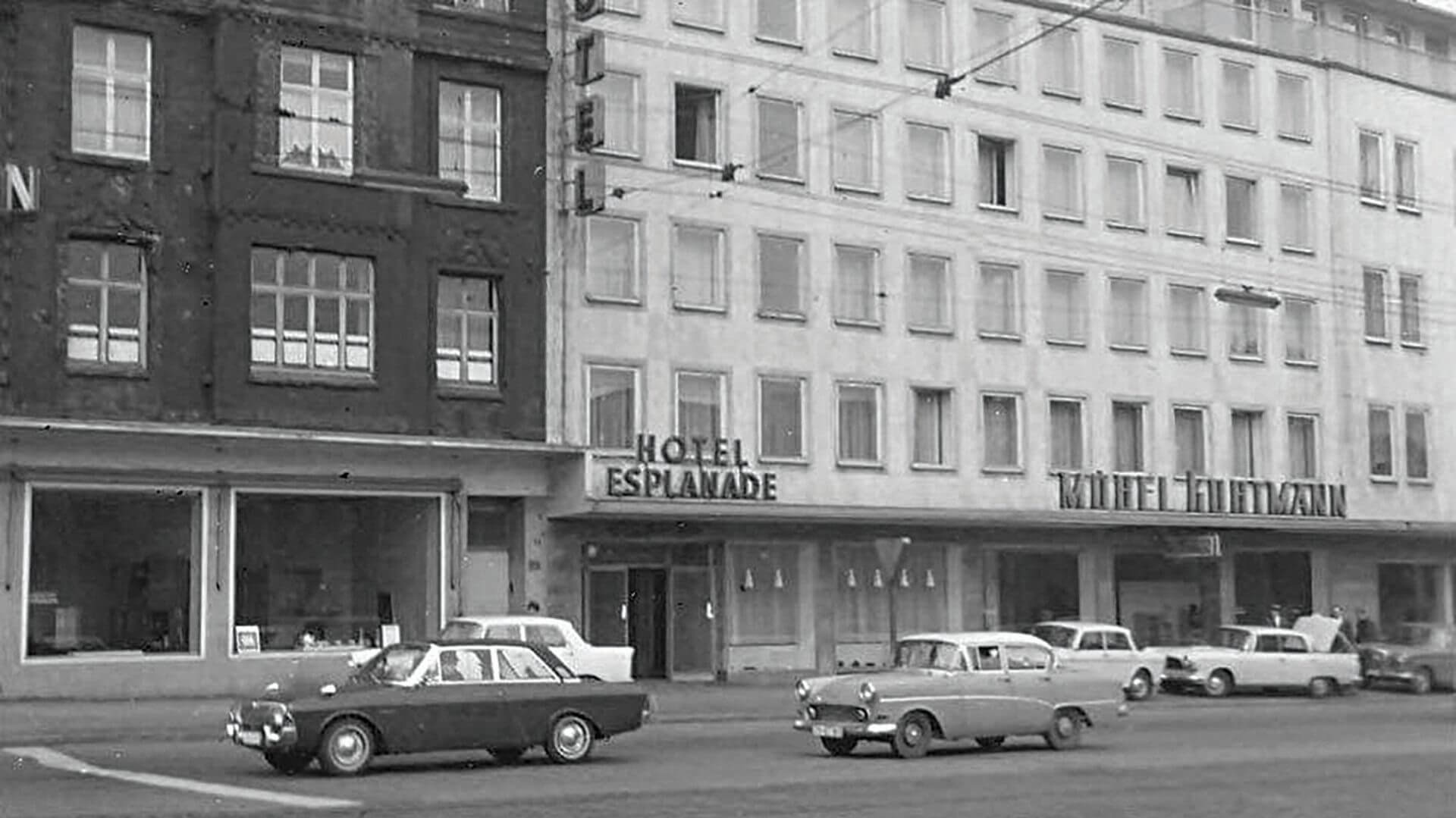
Hotel Esplanade opens with approximately 40 guest rooms. Thoughtfully designed and furnished with exceptional attention to detail, it quickly sets a new standard for comfort and hospitality for its time.
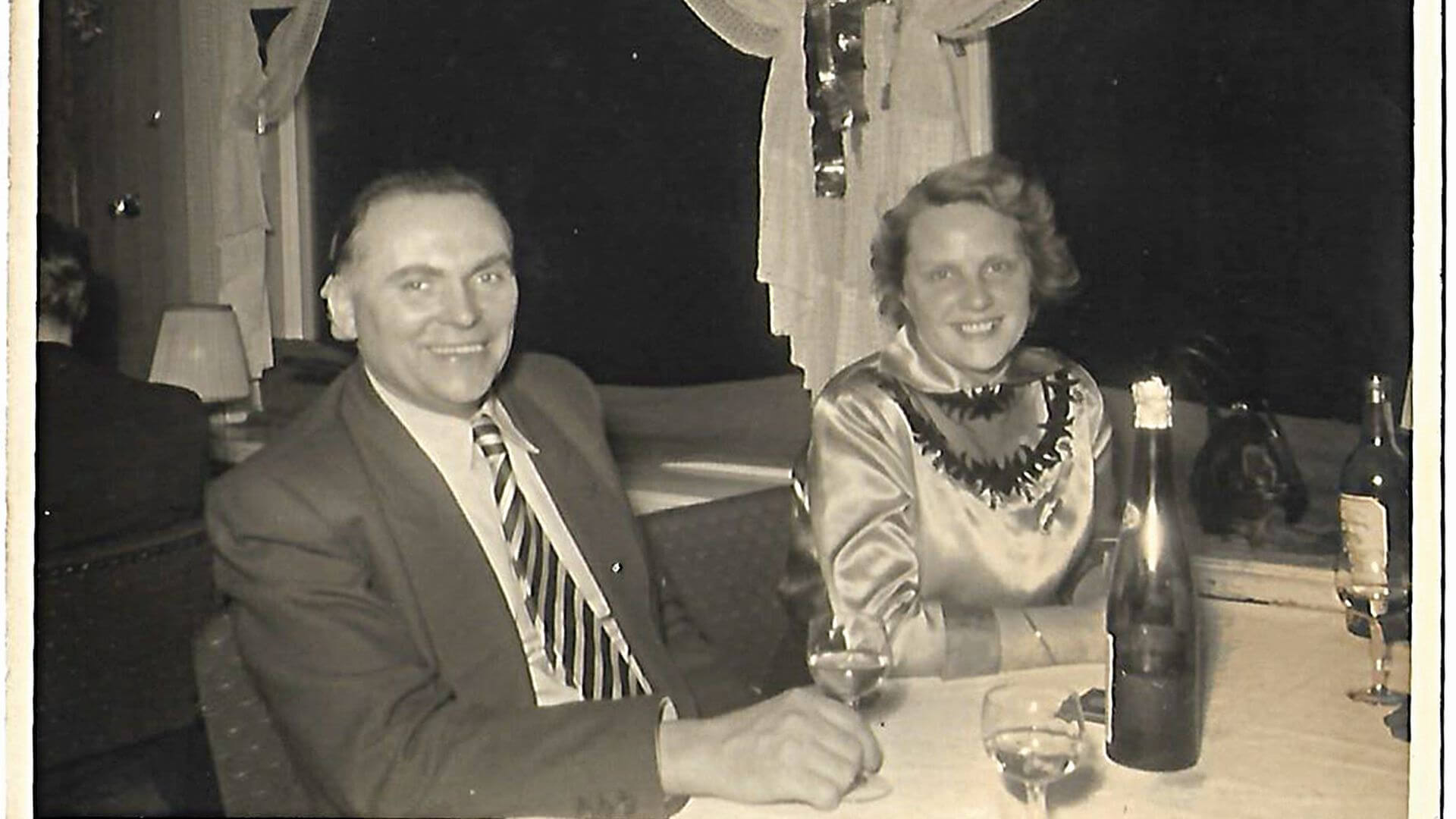
Following the succession, Karl-Ulrich, Christa, and Josef Kortmann become the heirs to the family business. Karl-Ulrich Kortmann assumes the role of Managing Director, leading the company into its next chapter.
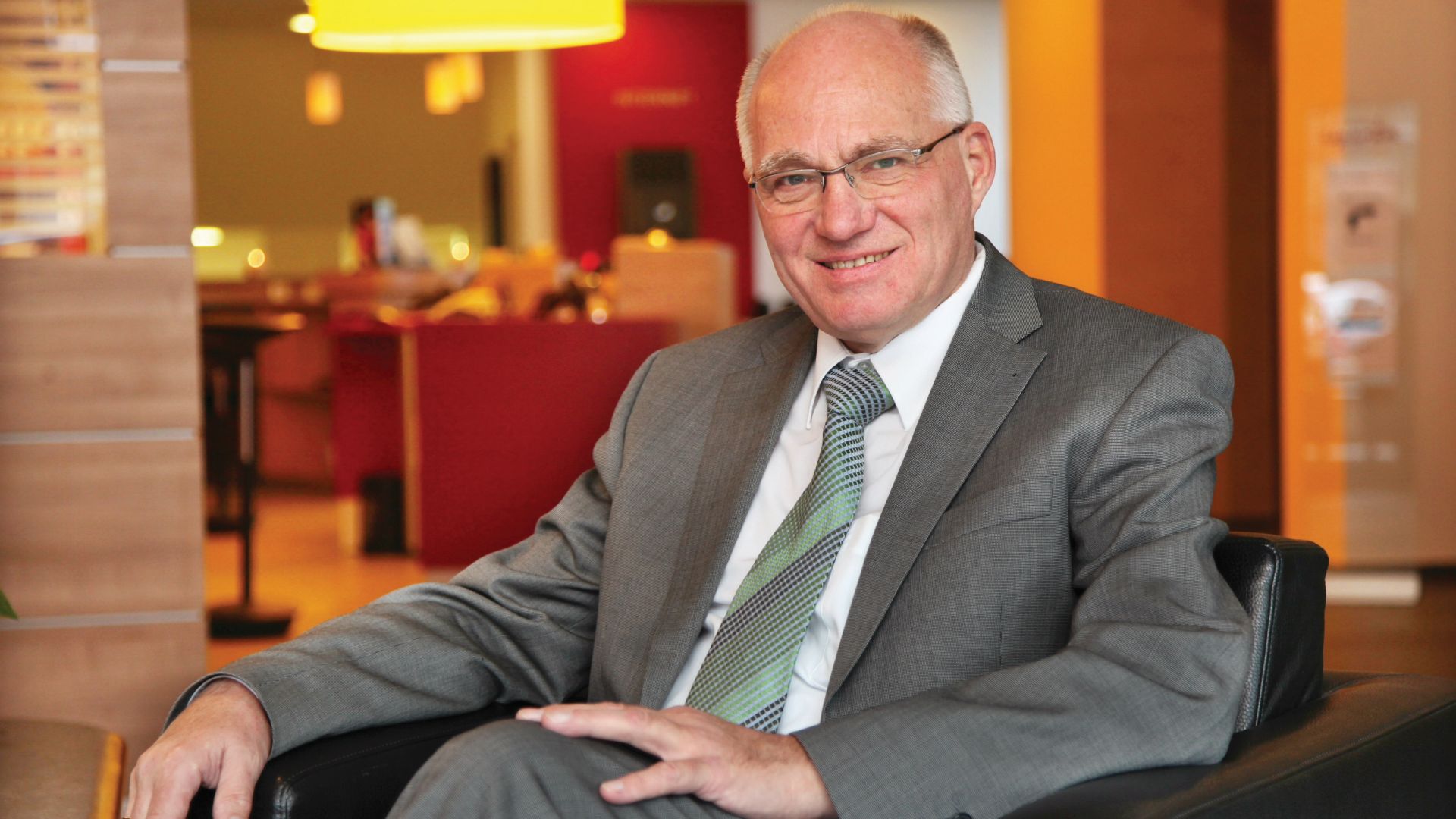
The hotel undergoes a comprehensive renovation, is completely refurnished, and modernised to meet contemporary standards of comfort, design, and hospitality.
Karl-Ulrich Kortmann joins forces with 18 fellow hoteliers to found AKZENT Hotels e.V., a cooperative alliance of independently owned family-run hotels dedicated to quality, individuality, and personal hospitality.
Hotel Esplanade is completely refurbished with a modern, comfortable, and high-quality interior. Loyal returning guests and Dortmund's business community particularly appreciate its central location and excellent transport connections, making it the ideal base for both business and leisure stays.
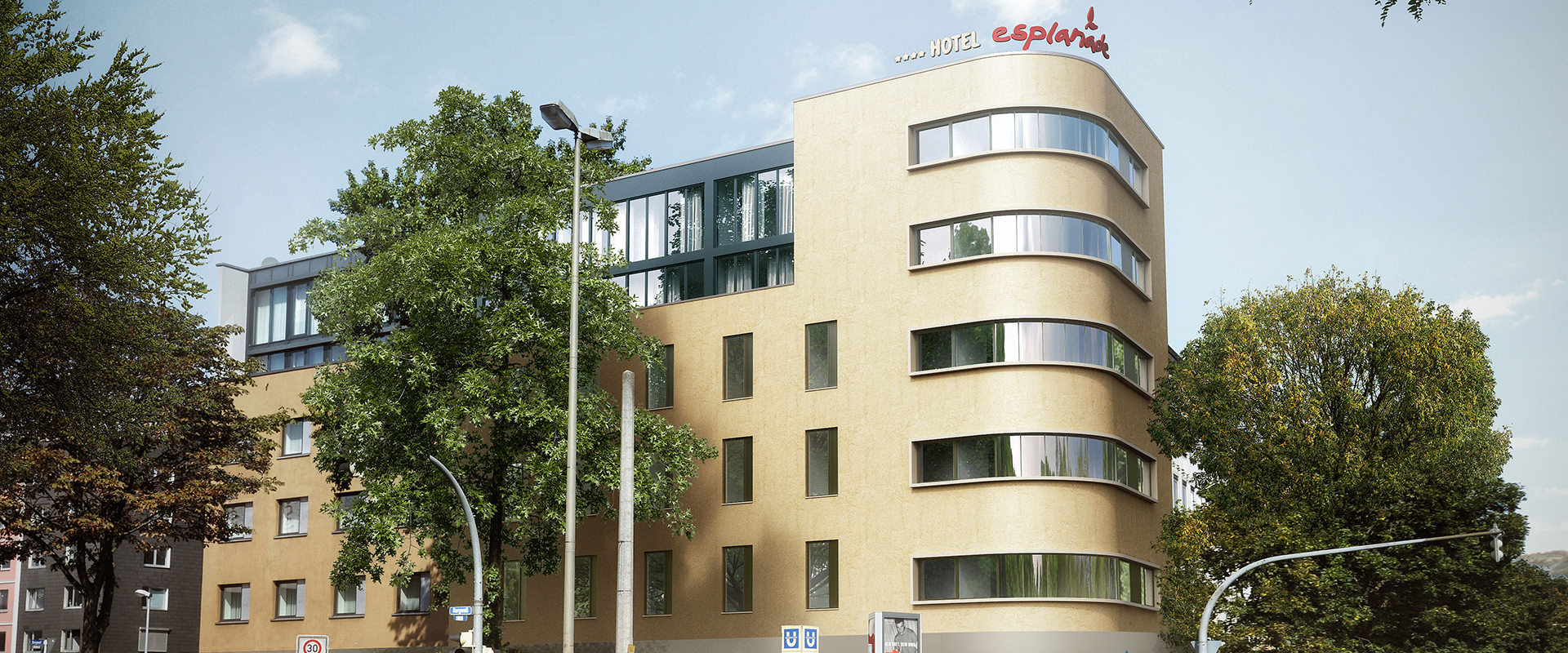
At the same time, the hotel receives a new façade, giving the property a contemporary appearance that reflects its ongoing commitment to quality and hospitality.
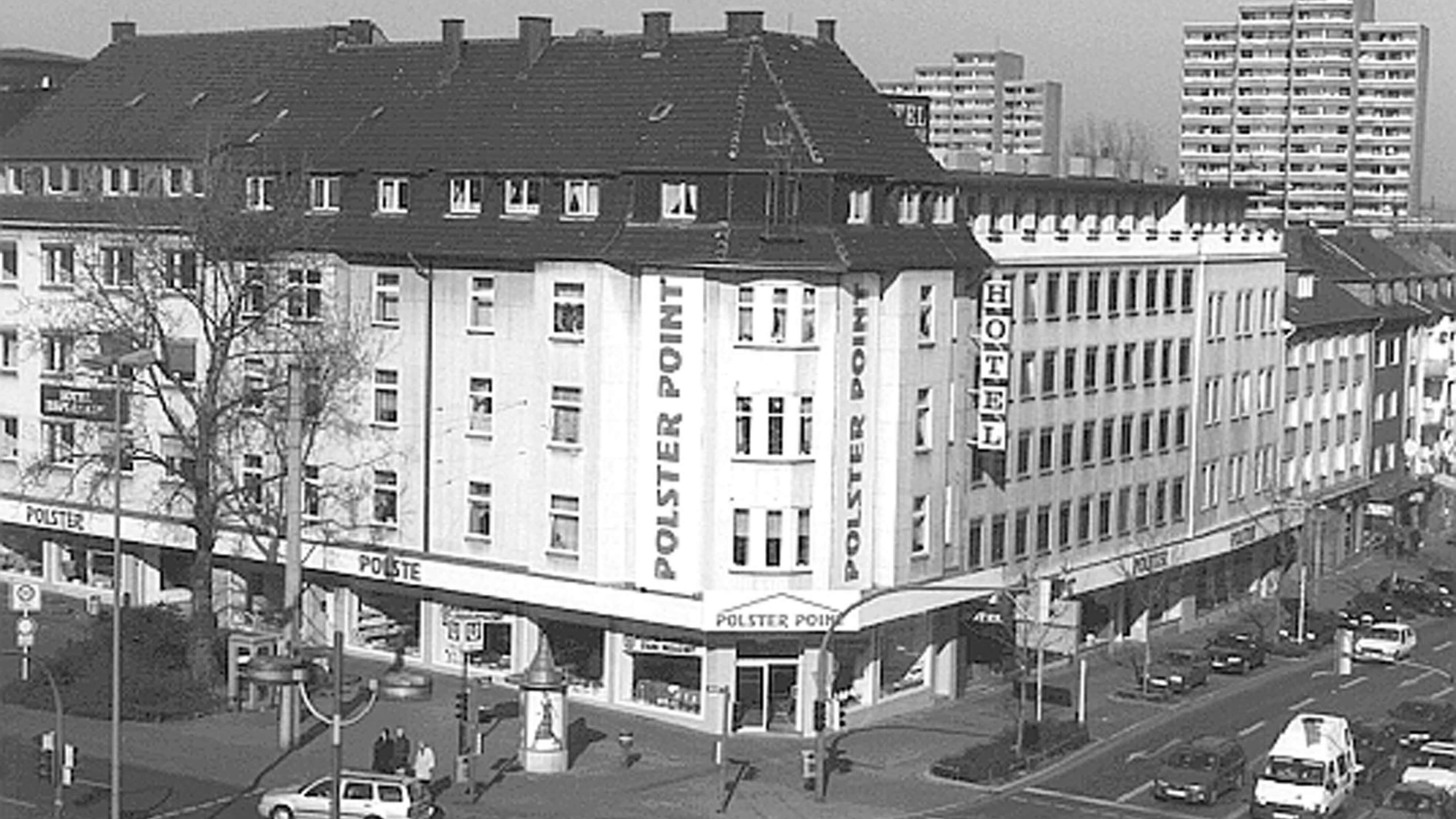
100 Years of Furniture from the House of Kortmann
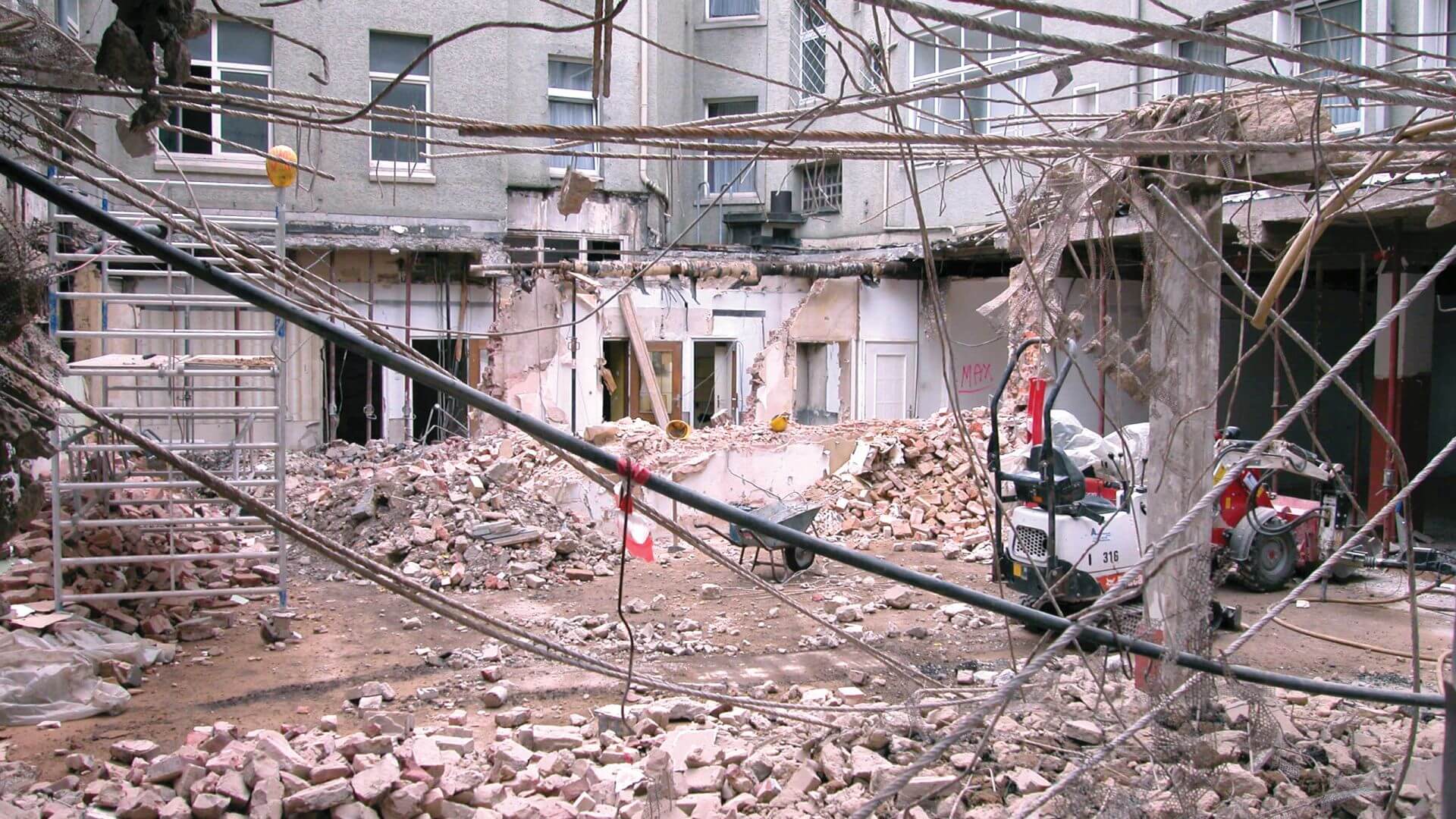
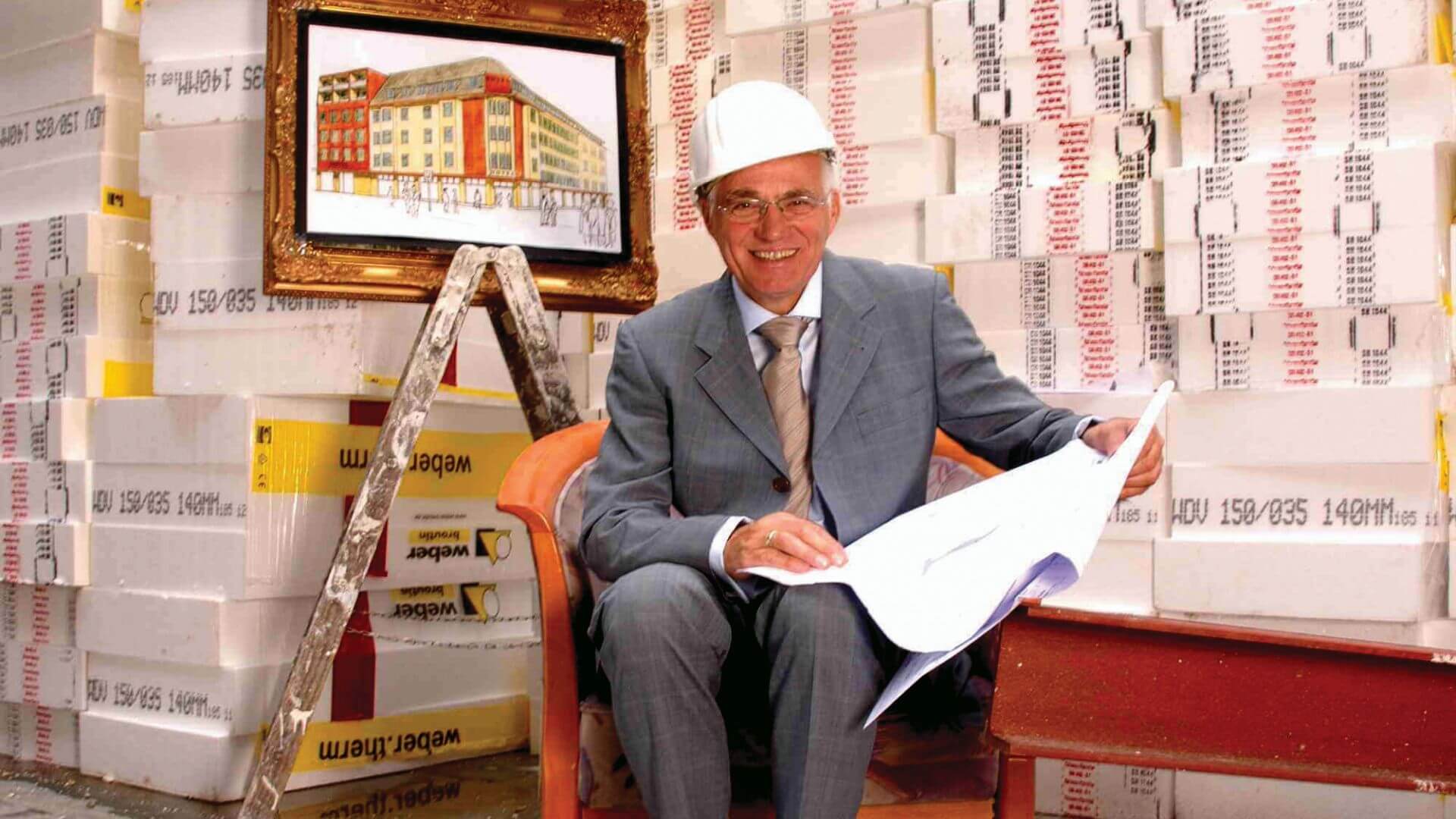
Owners Josef and Karl-Ulrich Kortmann decide to transform the existing garni hotel into a modern four-star hotel, expanding it to a sustainable size that would ensure its long-term economic success.
The new four-star Hotel Esplanade officially opens. The expansion adds 36 new First Class rooms, a peaceful courtyard garden connecting the buildings, modern back-of-house facilities, a wellness area, and versatile conference and meeting rooms, creating the foundation for the hotel as it is known today.
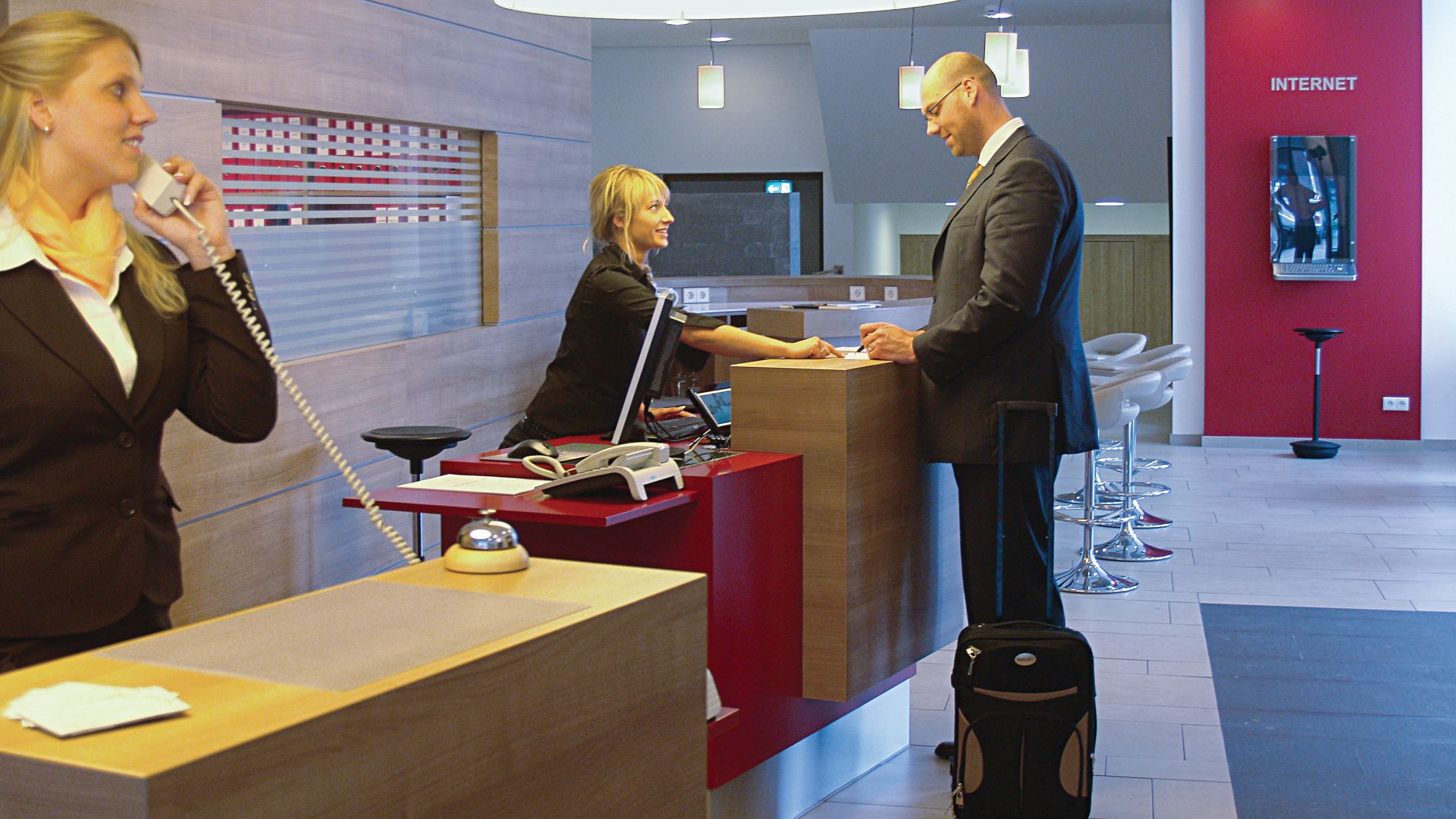
Hotel Esplanade is awarded the certifications "Certified Business Travel Hotel" and "Certified Conference Hotel", recognising its high standards of quality, comfort, and professional services for business travellers and meeting guests.
Hotel Esplanade reinforces its commitment to sustainability by successfully participating in the ÖKOPROFIT environmental programme. Through its involvement in the FamUnDo initiative, the hotel also actively promotes a family-friendly workplace, supporting employees with a modern and responsible working environment.
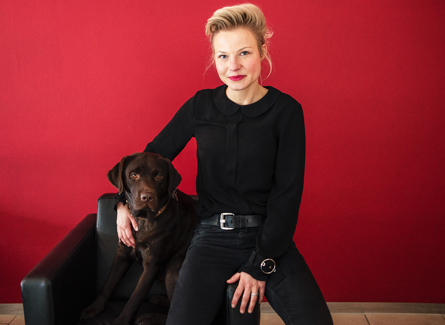
Following the completion of her Master's degree in Hospitality and Tourism, Katja Kortmann, daughter of Managing Director Karl-Ulrich Kortmann, joins the family business, marking the beginning of the next generation's leadership at Hotel Esplanade.
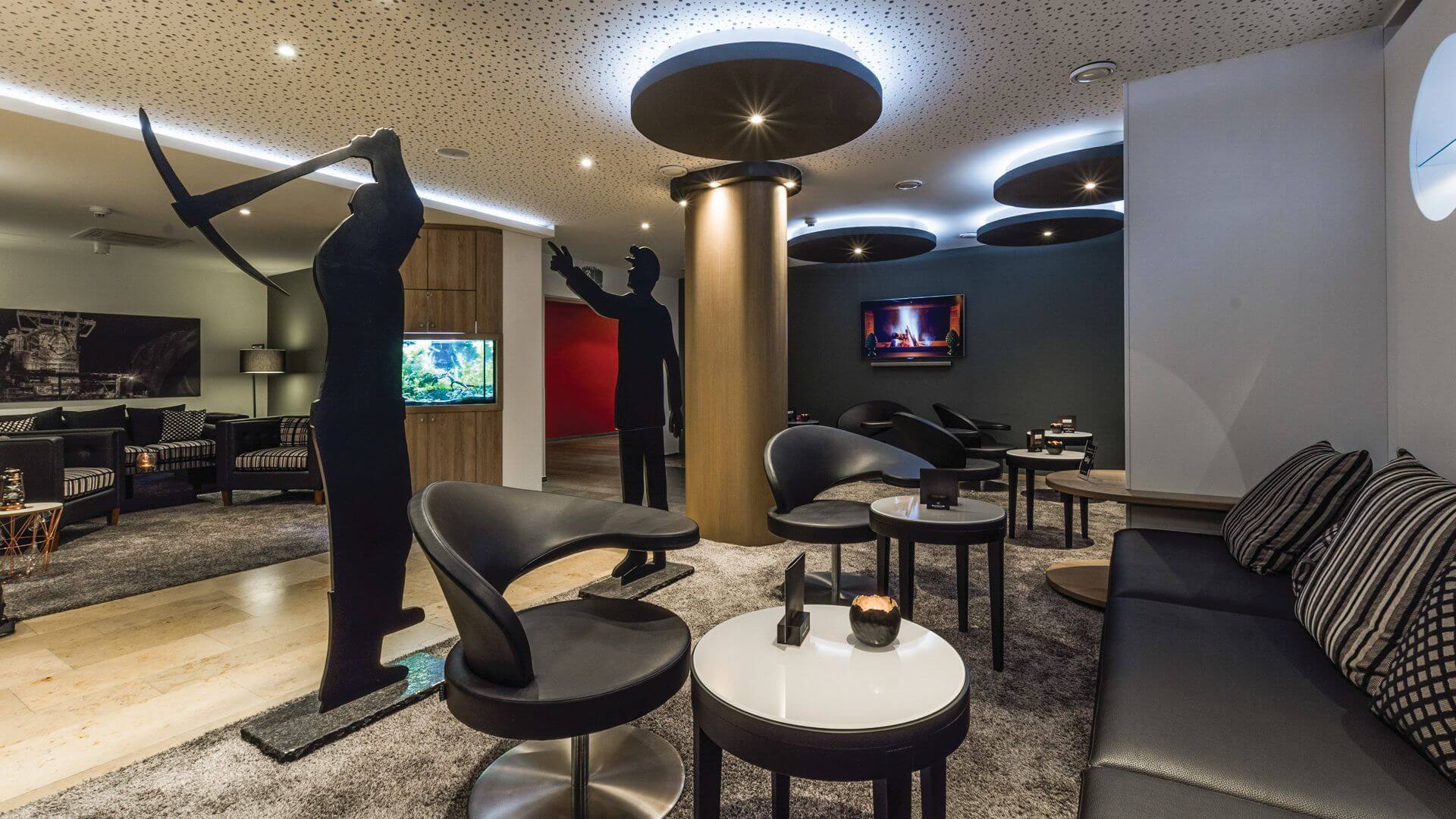
Inspired by the vision of Katja Kortmann, the Ruhrpott Lounge is created to celebrate the unique character of the Ruhr region. Designed with authentic local elements, it brings the area's industrial heritage and distinctive atmosphere to life, allowing guests to experience the spirit, history, and identity of Dortmund throughout their stay.
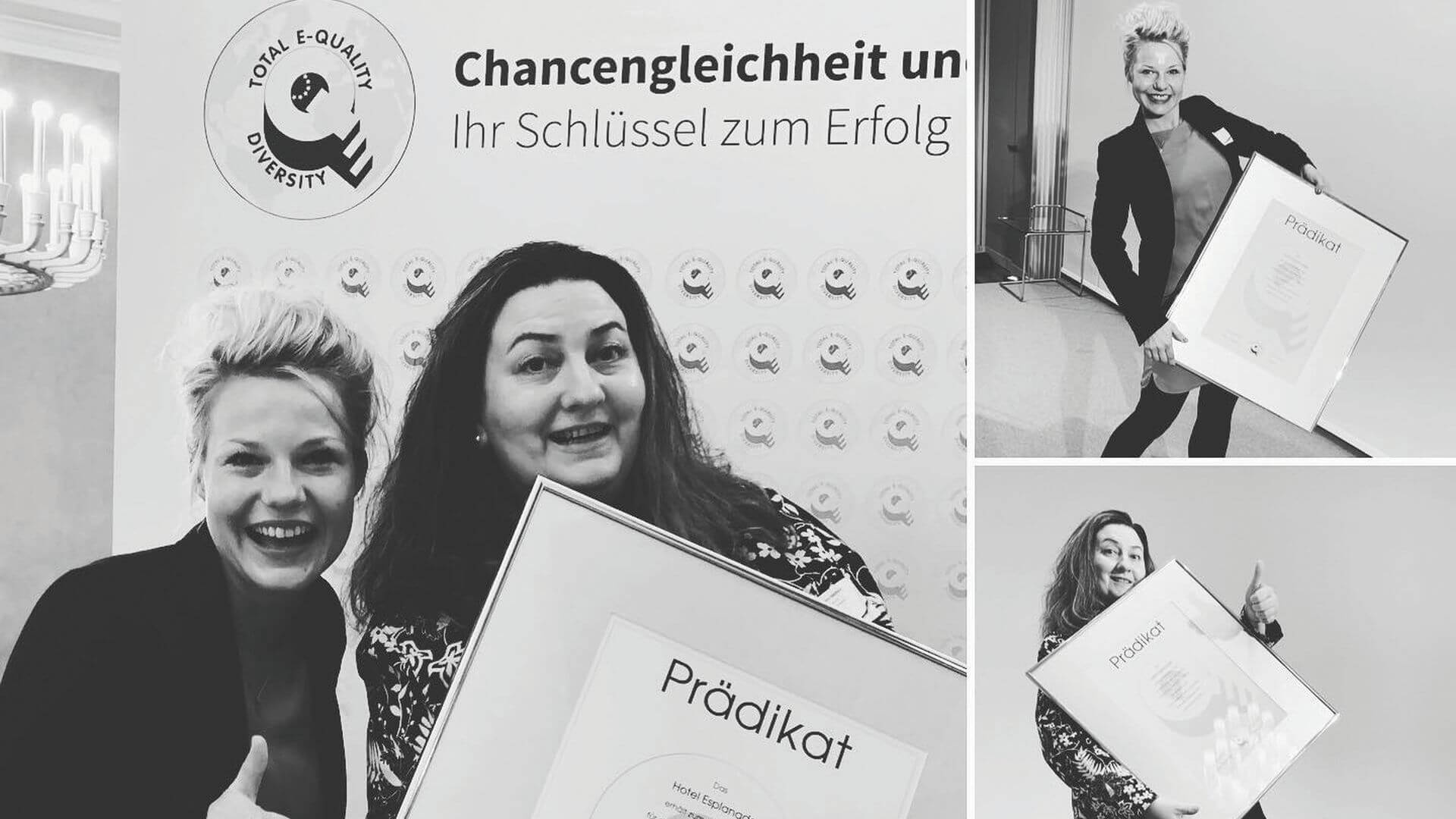
Das Hotel Esplanade belegt den dritten Platz des Qualitätszertifikates Certified in der Kategorie Business Hotel.
Zudem wird das Hotel Träger des Total-E-Quality-Prädikats.
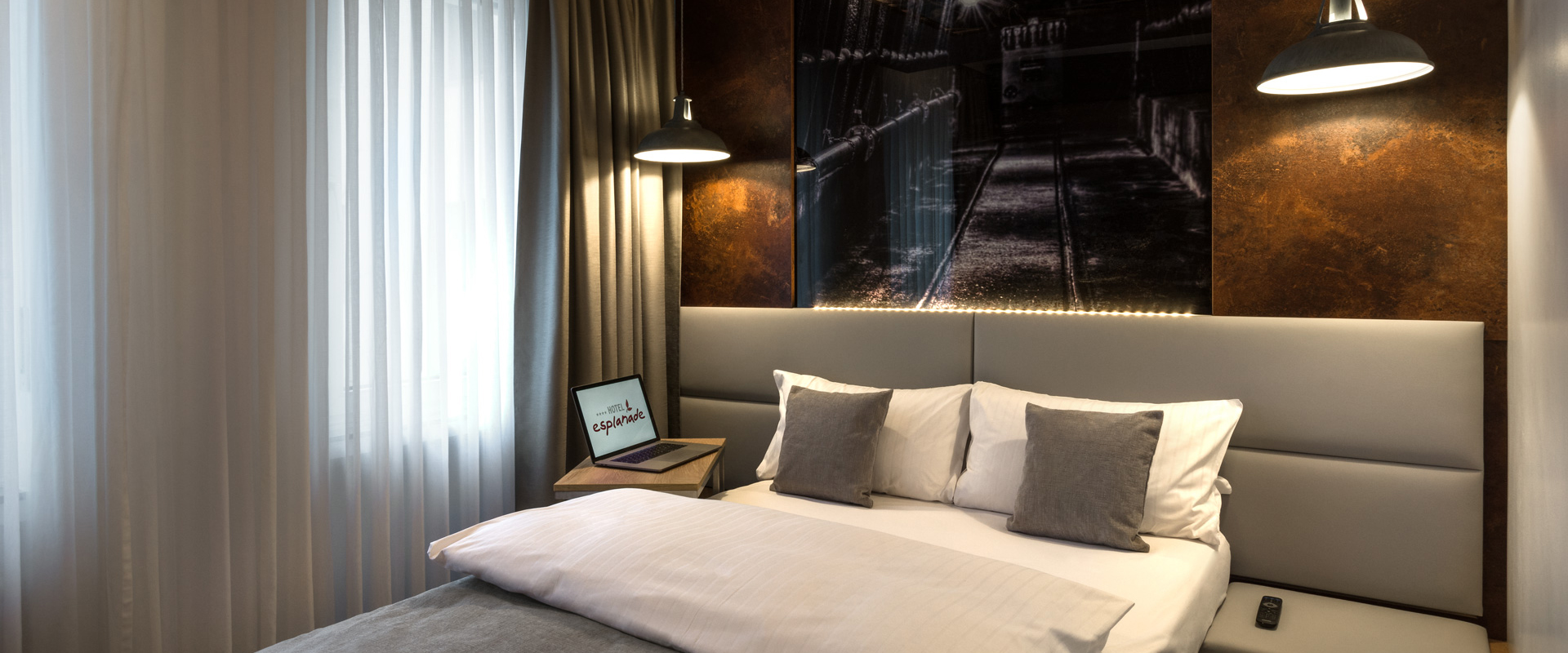
Thirty-six Standard Rooms are completely renovated and transformed into distinctive Ruhrpott Rooms, inspired by the rustic, industrial character of Germany's Ruhr region. Their authentic design combines modern comfort with the area's rich mining and steelmaking heritage, creating a unique local experience for every guest.
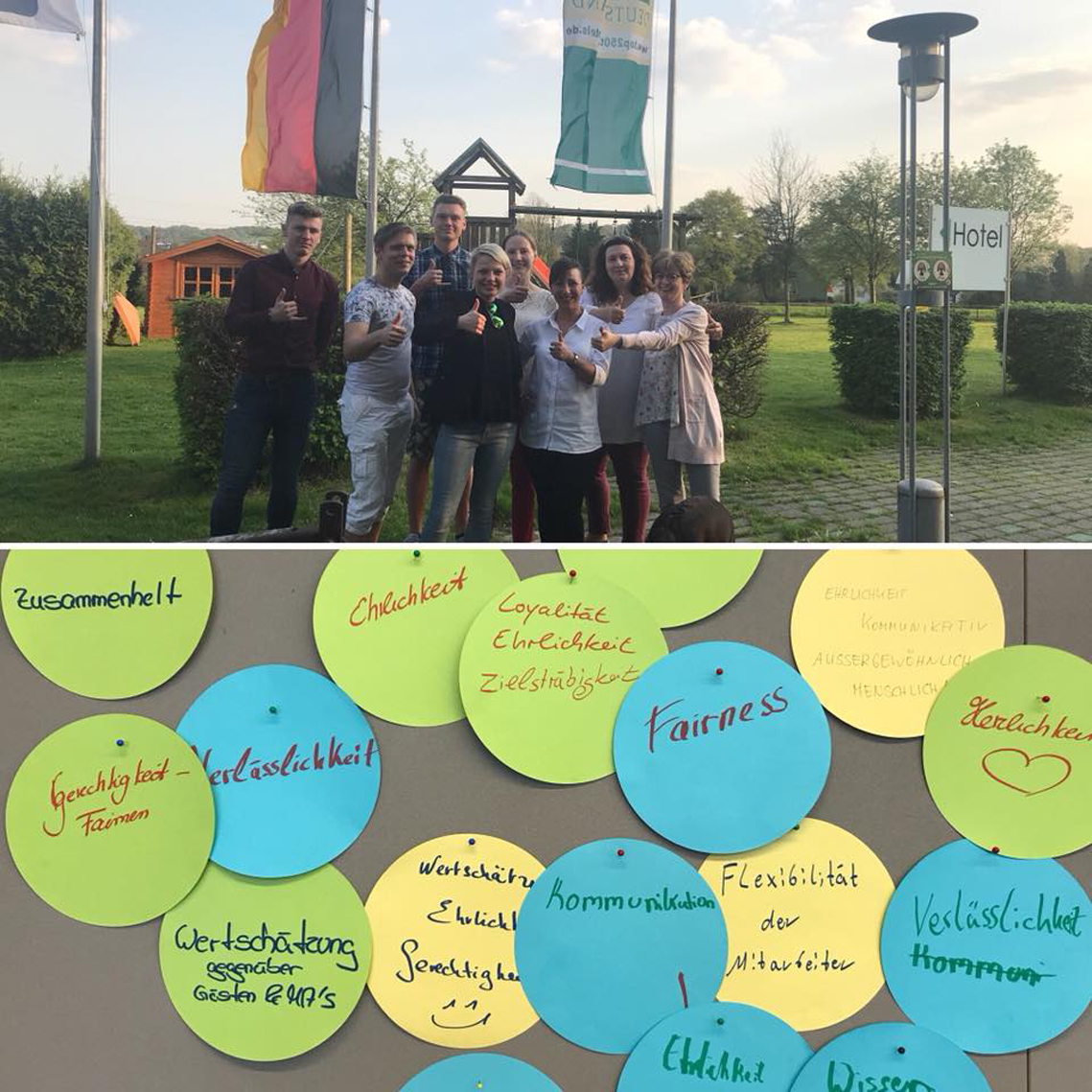
Appreciation, authenticity, and integrity.
Inspired by the leadership philosophies of Benedictine monk Anselm Grün and entrepreneur Bodo Janssen, these values continue to shape our culture, our leadership, and the way we welcome our guests every day.
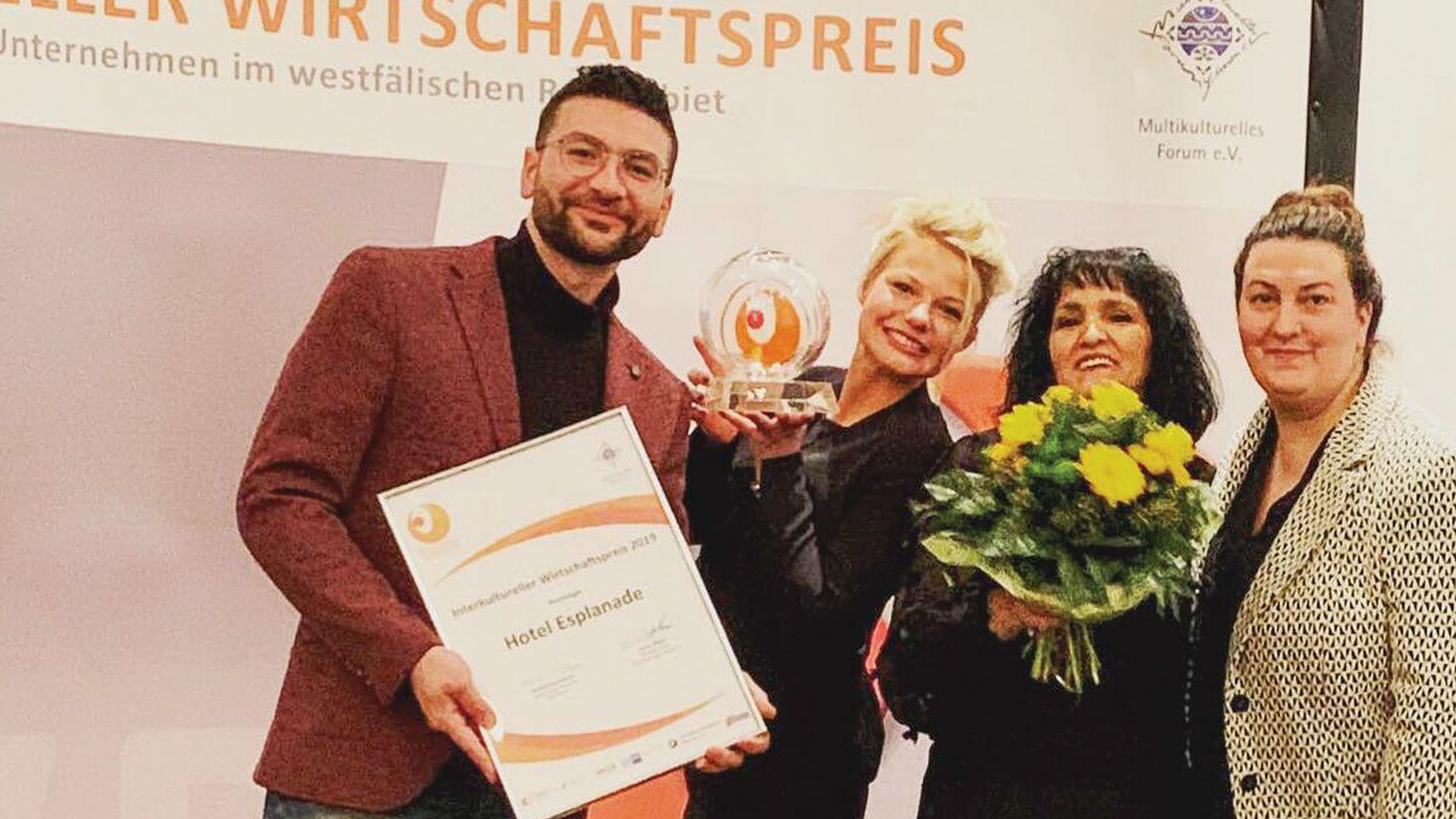
Hotel Esplanade is honoured with the Intercultural Business Award, recognising its outstanding commitment to diversity and inclusion. In addition, Katja Kortmann is appointed Regional Ambassador for North Rhine-Westphalia for the "Businesses Integrate Refugees" Network, acknowledging her dedication to workforce integration and social responsibility.
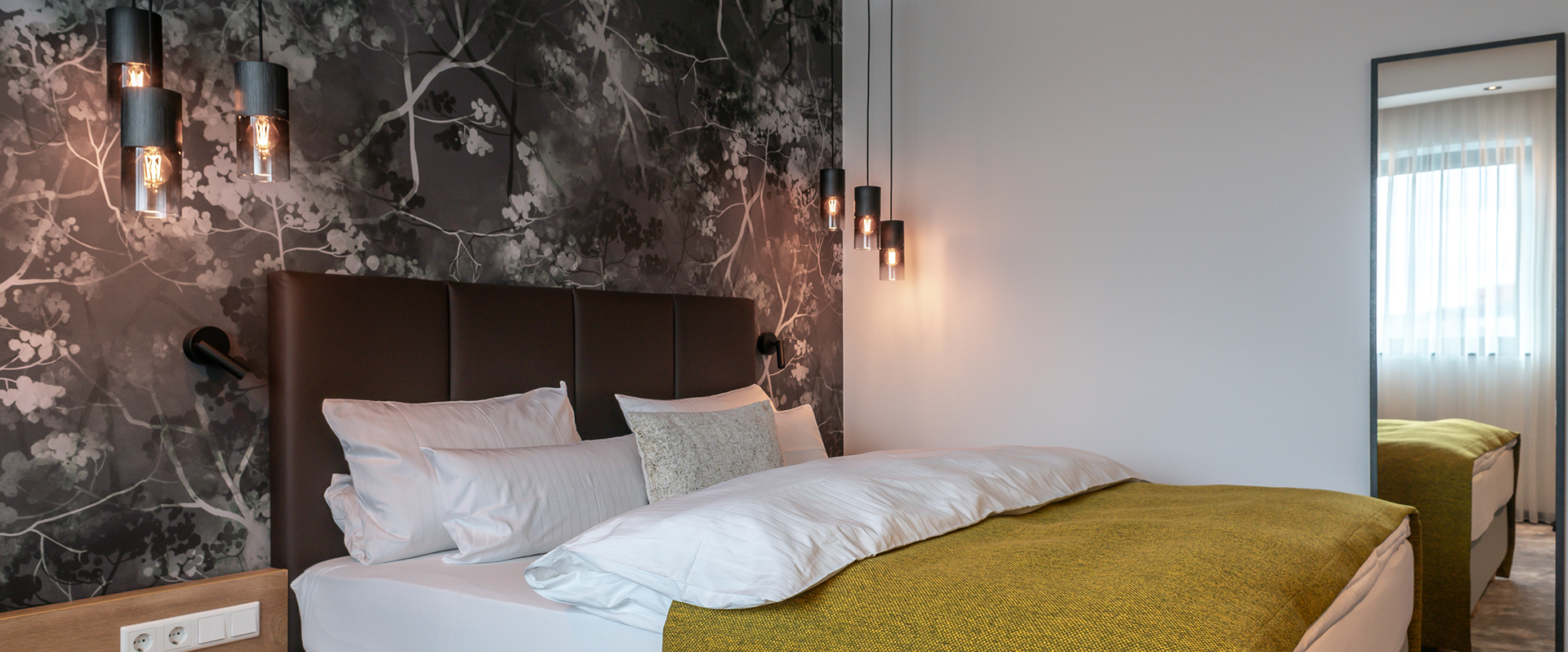
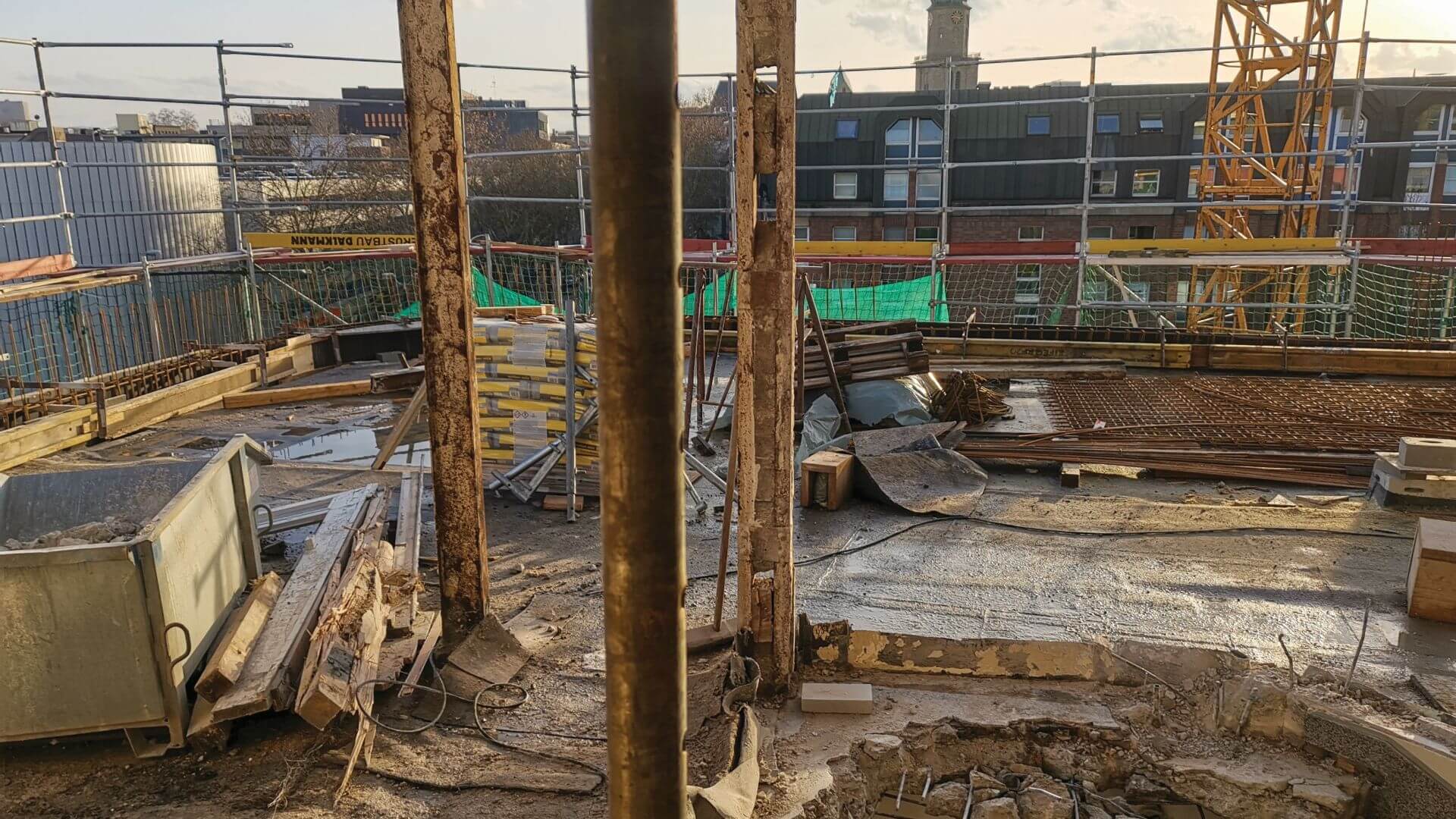
The hotel complex is expanded and enhanced with a striking new façade that becomes a distinctive architectural landmark. The project adds 14 new Phoenix Rooms as well as the hotel's highlights—two exclusive Panorama Rooms offering exceptional comfort and views.
Following the expansion, Hotel Esplanade now offers a total of 97 guest rooms and 18 serviced apartments, providing an even wider range of accommodation for business and leisure travellers alike.
Dortmund, 1898. The city's population surpasses the threshold of 100,000 inhabitants, officially making Dortmund a major city. The coal and steel industries are thriving, and construction of the city's port is underway. Soon, Dortmund will be connected to the sea via the canal, marking a new era of economic growth and international trade.